The Distinction Between Assisted Living and Experienced Nursing
Business Name: BeeHive Homes of Taylor Ranch
Address: 6004 Whiteman Dr NW, Albuquerque, NM 87120
Phone: (505) 302-1919
BeeHive Homes of Taylor Ranch
At BeeHive Homes of Taylor Ranch, New Mexico, we offer the finest assisted living experience available in a cozy, comfortable homelike setting. Each of our residents has their own spacious room with an ADA approved bathroom and shower. We prepare and serve delicious home-cooked meals three times a day every day. We maintain a small, friendly elderly care community. We provide regular activities that our residents find fun and contribute to their health and well-being. Our staff is attentive and caring and provides assistance with daily activities to our senior living residents in a loving and respectful manner. We would like to invite you to tour and experience our assisted living home and feel the difference.
6004 Whiteman Dr NW, Albuquerque, NM 87120
Business Hours
Families normally start comparing care options at the very same minute life gets extra complex. A parent misses out on medications, has a loss, returns from the health center weak than before, or simply can not stay on par with dishes, showering, and the house any longer. That is when the search starts for senior care near me, and two terms turn up again and again: assisted living and proficient nursing.
The confusion is reasonable since both are senior living options, both can assist older grownups stay safer, and both rest under the broader umbrella of senior care. Yet they are developed for very various requirements. The wrong option can indicate paying for even more care than someone needs, or, equally as problematically, insufficient support for a person whose health is altering fast.
The difference matters due to the fact that it shapes the pace of the day, the level of clinical oversight, the expense, and even the sort of dignity a person can maintain. One setup is created for support with life. The other is developed for clinical recuperation and heavy hands-on care. That distinction appears straightforward theoretically, however in the real world it obtains obscured by marketing language and by the natural hope that a loved one will certainly "enhance sufficient" to fit somewhere much less intensive. In some cases that takes place. Occasionally it does not.
What assisted living is truly for
Assisted living is implied for older grownups that require help with daily jobs but do not call for round-the-clock nursing. Citizens in assisted living normally can get around by themselves or with some support, and they do not need constant clinical supervision. What they do require is reliable support with the activities that end up being harder with age.
That frequently consists of help with showering, dressing, grooming, drug suggestions, meals, housekeeping, transport, and perhaps a little supervision to avoid missed out on visits or hazardous situations. For many households, assisted living uses an equilibrium that is difficult to reproduce in your home. It protects personal privacy and autonomy while lowering the burden of day-to-day duties and safety concerns.
A great assisted living neighborhood feels residential, not scientific. Meals are offered in dining-room, there may be social activities, and homeowners commonly have personal or semi-private apartments. The goal is to maintain life as normal as feasible, with simply adequate assistance to avoid the small failures from piling up right into significant risks.
I have actually seen family members postpone this relocation because they assume it suggests "giving up self-reliance." In practice, it frequently does the opposite. A person that is investing the majority of the day alone, eating irregularly, missing medications, and fretting about the staircases in the house is not living individually in any kind of meaningful sense. Assisted living can recover framework and confidence.
What competent nursing is constructed to do
Skilled nursing is a greater degree of care. It is designed for individuals that need clinical focus and hands-on nursing support every day, sometimes numerous times a day. This is the establishing people often need after a hospitalization, a significant surgery, a stroke, a significant autumn, a complex infection, or a sudden decrease in function.
Unlike assisted living, knowledgeable nursing is staffed by certified registered nurses all the time, with care strategies that include straight scientific oversight. Locals might require injury care, shots, tube feeding, oxygen administration, IV treatment, rehabilitation services, or help with almost all activities of daily living. Some residents remain only short term while they recoup. Others need longer remains since their clinical demands are persistent and substantial.
Skilled nursing also has a tendency to have a more professional rhythm. There are medication passes, therapy routines, doctor oversight, charting, skin checks, and frequent evaluations. An individual that is clinically delicate might be more secure there than anywhere else, particularly if they are not secure enough for a residential environment.
The distinction is not simply staffing. It is the purpose of the setting. Skilled nursing exists to deal with, keep track of, and support. Assisted living exists to support, streamline, and preserve independence.
The clearest distinctions, side by side
People frequently ask for an easy way to compare the two, and there is one, though the real world is constantly messier than a graph. Still, these are the primary dividing lines:
|Area|Assisted Living|Experienced Nursing||-- |-- |--|| Main objective|Support with everyday living|Treatment and recovery|| Staffing|Caretakers and some nursing oversight|Certified nurses 24/7, plus scientific staff|| Medical requires|Light to modest, generally stable|Complicated, frequent, or transforming medical requirements|| Daily aid|Showering, dressing, dishes, pointers|Extensive personal care plus knowledgeable therapies|| Setting|Residential, social, home-like|More medical, recovery-focused|| Size of stay|Frequently long-term|Commonly short-term, occasionally long-term|| Expense pattern|Generally less than knowledgeable nursing|Normally higher because of medical intensity|
Even with a table such as this, there are gray locations. Some assisted living areas have memory care communities or improved care choices. Some competent nursing facilities provide temporary rehabilitation that looks momentary on paper yet can extend for weeks or months. The labels issue, yet the individual's real requirements matter more.
How to inform which level of care fits
The right selection normally comes down to work, not age. 2 individuals may coincide age and require very different assistance. One is golfing two times a week and just needs aid arranging drugs. One more needs help moving from bed to chair and has multiple persistent conditions that need close monitoring.
A functional method to think about it is this: assisted living is usually proper when the person requires assistance living daily, however not consistent clinical intervention. Competent nursing ends up being senior care required when the individual's wellness requires energetic nursing care, skilled monitoring, or rehab that can not be safely managed in a residential setting.
There are a couple of patterns that typically direct toward assisted living. A person may fail to remember drugs, have problem preparing meals, feel isolated living alone, need assistance showering, or battle with stairways and tasks. They might still appreciate conversation, activities, and some independence, however the logistics of home life have actually come to be unmanageable.
Skilled nursing is generally the better fit when the person is medically unsteady or literally reliant in such a way that demands certified nursing care. That consists of scenarios like constant falls connected to severe weakness, complicated wound care, dementia with habits that call for close guidance, recent hospitalization with sluggish recovery, or conditions that require everyday professional assessment.
Families commonly try to decide based upon what really feels psychologically much easier. That is reasonable, yet it is not constantly secure. If somebody requires knowledgeable nursing and lands in assisted living, team may have the ability to do just a lot before the family members is back in crisis. If somebody just requires assisted living but gets in skilled nursing, the individual may shed personal privacy, spend even more money than needed, and feel institutionalized for no good reason.
Cost, insurance coverage, and the component family members underestimate
Money enters the photo rapidly, and it should. Senior care is pricey, and the prices distinctions in between assisted living and proficient nursing can be significant.
Assisted living is typically paid of pocket, at least partly. Some families utilize a mix of individual financial savings, retirement earnings, long term care insurance policy, or the sale of a home. The regular monthly charge often covers housing, meals, fundamental individual care, activities, and some supervision, yet not extensive clinical treatment.
Skilled nursing is different. Since it is clinical in nature, there may be more insurance policy coverage in particular scenarios, particularly for temporary rehab after a qualifying medical facility remain, relying on the individual's insurance policy and professional eligibility. Lasting stays are a different matter and can end up being very pricey. The payment structure is a lot more difficult, and family members in some cases obtain shocked by what is covered and what is not.
This is one reason individuals looking for assisted living near me need to ask really particular questions, not practically lease and meals, yet concerning what happens if a resident begins needing even more help. Some communities can boost solutions progressively. Others will not have the ability to meet needs that have actually crossed into experienced region. It is much much better to ask before a situation than after the discharge planner is getting in touch with a Friday afternoon.
The psychological distinction is real, too
People speak about care levels as if they are simply scientific decisions, however the psychological experience matters a lot. Assisted living frequently feels like an action right into a brand-new area with assistance nearby. Locals may still enhance their own space, select their dishes, sign up with activities, and kind regimens that feel familiar.
Skilled nursing can really feel much more major, since it typically shows up after a health crisis. That alone changes the mood. People may be weaker, anxious, or briefly reliant in ways they were not in the past. Households sometimes describe experienced nursing as a place of recuperation and watchfulness. Even when the team is superb, the feeling is much more hospital-like than home-like.
That does not indicate experienced nursing is chilly or that assisted living is always warm and comfortable. I have actually seen attractive assisted living areas with sporadic engagement and I have actually seen competent nursing facilities with deeply compassionate teams. Still, the framework of each setting shapes the experience. Assisted living usually attempts to preserve way of living. Proficient nursing normally focuses on safety and medical management.
A few real-world examples
A widow in her late eighties may be living alone, failing to remember to take her tablets, and avoiding food preparation due to the fact that the oven feels dangerous. She is still social, still delights in reading, and still wants to make her very own selections. Assisted living might fit her well.
A man recouping from a hip fracture may require assistance entering and out of bed, physical therapy several times a week, pain management, and nursing oversight for an injury. He may start in competent nursing for rehab, then move to assisted living later on if he recovers sufficient to need less support.
A female with sophisticated cardiac arrest who needs constant weight checks, drug changes, oxygen, and close tracking might call for proficient nursing because her condition can alter promptly. A residential setup could miss out on crucial warning signs.
A person with very early dementia who just requires tips, structure, and supervision may do well in assisted living. A person with dementia who is wandering, incontinent, and not able to recognize standard safety threats might need a much more safe and medically included environment, depending on the specifics.
These scenarios are not abstract. They are the sort of decisions families encounter after a healthcare facility keep, during a decline at home, or when a caretaker is just put on out.
Questions worth asking when touring communities
When you start contrasting senior living alternatives, the advertising materials just inform part of the tale. Tour the location, talk to personnel, and ask functional inquiries that disclose what day-to-day life is really like.
Here are a couple of concerns that assist divide both degrees of care in a significant way:

- What level helpful do homeowners normally get with showering, clothing, and medications?
- Is nursing staff on website all the time, and if so, what can they handle?
- What takes place if a resident's problem intensifies after move-in?
- Can the neighborhood support memory concerns, flexibility problems, or chronic illness?
- How typically are care strategies examined and updated?
Those conversations inform you greater than a glossy sales brochure ever will. They likewise assist family members avoid the usual error of assuming every senior living community can give the very same level of support.
Respite care can be component of the decision
Respite care deserves mentioning because it commonly provides family members a low-risk method to check a setup before making a long-term relocation. If you are uncertain whether a loved one needs assisted living or experienced nursing, a brief respite stay can clarify a great deal. An individual that fears in your home however settles in well with dishes, assistance, and regimen may be a solid assisted living candidate. An individual that quickly reveals signs of needing more clinical support may need a skilled nursing plan instead.
Respite care likewise offers family caregivers a breather. That matters more than individuals confess. Caregiving tiredness can shadow judgment. When somebody is worn down, every choice looks either too much or not enough. A short remain can produce room for clearer reasoning and better planning.
The change from one degree to another
One of the hardest components of senior care is approving that requirements can transform. An individual may get in assisted living and later demand proficient nursing after a fall, a stroke, or a steep decline. That does not imply the original action was wrong. It suggests the care plan has to advance with the person.
The most beneficial communities are straightforward about this initially. They do not assure that setup will resolve every problem forever. They describe what they can manage currently and what would certainly trigger a different degree of care later.
Families need to also comprehend that moving from knowledgeable nursing back to assisted living is in some cases possible, specifically after recovery. I have seen individuals enhance enough after rehabilitation to go back to a much less extensive setting with less solutions. That type of change is encouraging, yet it depends on genuine function, not hopeful thinking.
What issues most when making the decision
The best choice is the one that matches the individual's real needs, not the one that sounds best. Assisted living offers a helpful, residential atmosphere for people who need help with the fundamentals of life. Knowledgeable nursing provides healthcare, rehab, and close oversight for individuals with significant or altering health and wellness needs.
If you are comparing senior care options, take notice of where the person is now, not where you hope they will certainly be in six months. Take a look at mobility, cognition, medicine intricacy, current medical facility stays, continence, fall risk, and how much help is needed to survive a typical day. That assessment is better than age alone, and more useful than a vague guarantee that "they appear okay for now."
Families usually start with a look for senior care near me and wind up learning that the actual inquiry is not proximity. It is fit. The right setting needs to make day-to-day live much safer, calmer, and extra manageable, while maintaining as much self-respect and independence as feasible. For some people that suggests assisted living. For others it suggests competent nursing. And for numerous families, the most intelligent course is to be truthful regarding the distinction prior to a crisis compels the answer.
BeeHive Homes of Taylor Ranch provides assisted living care
BeeHive Homes of Taylor Ranch provides memory care services
BeeHive Homes of Taylor Ranch provides respite care services
BeeHive Homes of Taylor Ranch supports assistance with bathing and grooming
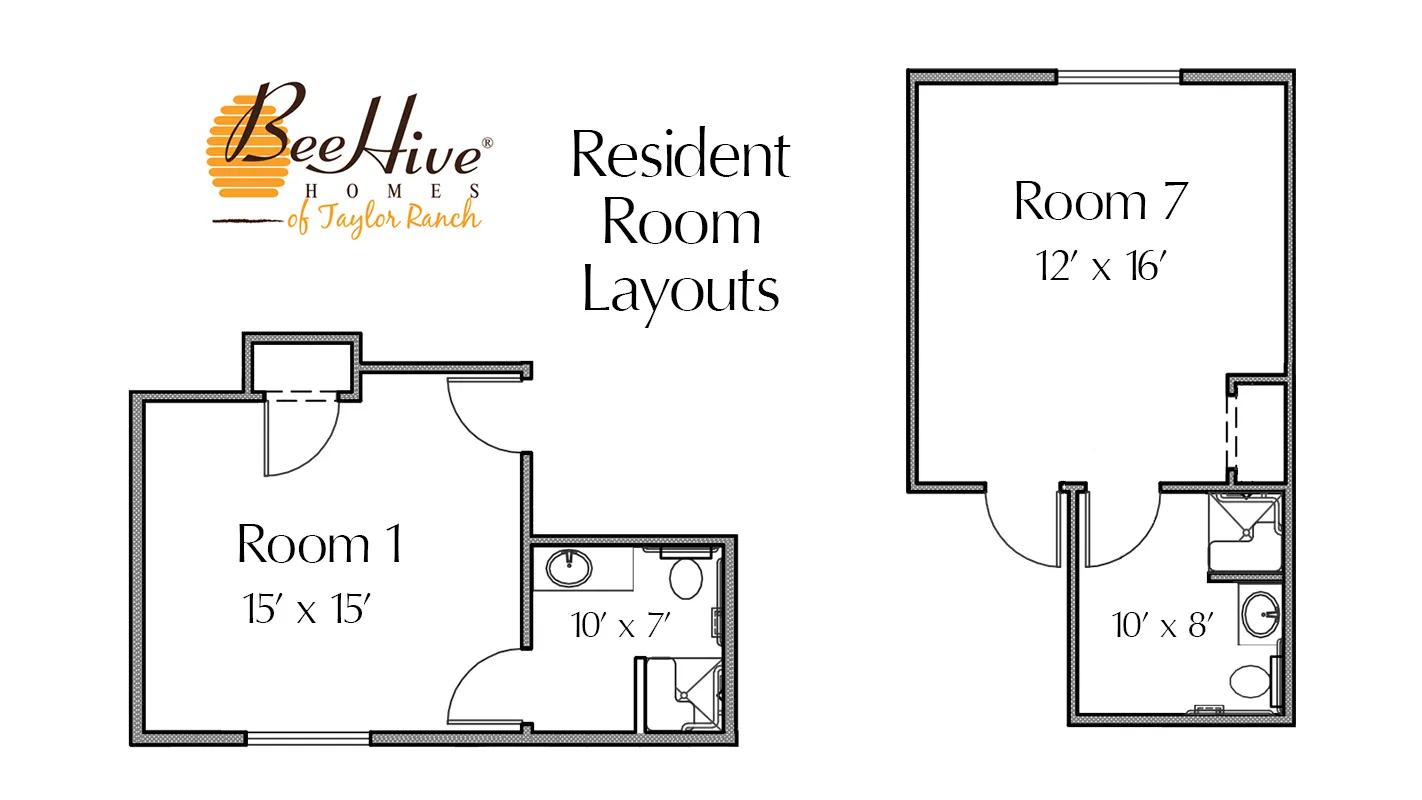
BeeHive Homes of Taylor Ranch offers private bedrooms with private bathrooms
BeeHive Homes of Taylor Ranch provides medication monitoring and documentation
BeeHive Homes of Taylor Ranch serves dietitian-approved meals
BeeHive Homes of Taylor Ranch provides housekeeping services
BeeHive Homes of Taylor Ranch provides laundry services
BeeHive Homes of Taylor Ranch offers community dining and social engagement activities
BeeHive Homes of Taylor Ranch features life enrichment activities
BeeHive Homes of Taylor Ranch supports personal care assistance during meals and daily routines
BeeHive Homes of Taylor Ranch promotes frequent physical and mental exercise opportunities
BeeHive Homes of Taylor Ranch provides a home-like residential environment
BeeHive Homes of Taylor Ranch creates customized care plans as residents’ needs change
BeeHive Homes of Taylor Ranch assesses individual resident care needs
BeeHive Homes of Taylor Ranch accepts private pay and long-term care insurance
BeeHive Homes of Taylor Ranch assists qualified veterans with Aid and Attendance benefits
BeeHive Homes of Taylor Ranch encourages meaningful resident-to-staff relationships
BeeHive Homes of Taylor Ranch delivers compassionate, attentive senior care focused on dignity and comfort
BeeHive Homes of Taylor Ranch has a phone number of (505) 302-1919
BeeHive Homes of Taylor Ranch has an address of 6004 Whiteman Dr NW, Albuquerque, NM 87120
BeeHive Homes of Taylor Ranch has a website https://beehivehomes.com/locations/taylor-ranch/
BeeHive Homes of Taylor Ranch has Google Maps listing https://maps.app.goo.gl/VjePfgdypFLUTXAZ6
BeeHive Homes of Taylor Ranch has Instagram page https://www.instagram.com/beehivealbuquerquewest
BeeHive Homes of Taylor Ranch has an TikTok page https://www.tiktok.com/@beehivehomesalbuq
BeeHive Homes of Taylor Ranch has an YouTube page https://www.youtube.com/@hamiltonshives4468
BeeHive Homes of Taylor Ranch won Top Assisted Living Homes 2025
BeeHive Homes of Taylor Ranch earned Best Customer Service Award 2024
BeeHive Homes of Taylor Ranch placed 1st for Senior Living Communities 2025
People Also Ask about BeeHive Homes of Taylor Ranch
What is BeeHive Homes of Taylor Ranch Living monthly room rate?
Our base rate is $6,900 per month. We do an assessment of each resident's needs prior to move-in, so each resident's rate may be slightly higher. However, there are no "a la carte" charges or hidden fees. We do charge a one-time community move-in fee of $2,000
Does Medicare or Medicaid pay for a stay at Bee Hive Homes?
Medicare pays for hospital and nursing home stays, but does not pay for assisted living as a covered benefit. Some assisted living facilities are Medicaid providers, but we are not. We accept private pay, long-term care insurance, and we can assist qualified Veterans with approval for the Aid and Attendance program
Do we have a nurse on staff?
We do have a nurse on contract who is available as a resource to our staff but our residents' needs do not require a nurse on-site. We always have trained caregivers in the home and awake around the clock
What can you tell me about the food at Bee Hive?
You have to smell it and taste it to believe it! We use dietitian-approved menus with alternates for flexibility, and we can accommodate needs for different textures and therapeutic diets. We have found that most physicians are happy to relax diet restrictions without any negative effect on our residents
Do we allow pets?
We do allow small pets as long as the resident is able to care for them. State regulations also require that we have evidence of current immunizations for any required shots
Where is BeeHive Homes of Taylor Ranch located?
BeeHive Homes of Taylor Ranch is conveniently located at 6004 Whiteman Dr NW, Albuquerque, NM 87120. You can easily find directions on Google Maps or call at (505) 302-1919 Monday thru Sunday: 10:00am to 7:00pm
How can I contact BeeHive Homes of Taylor Ranch?
You can contact BeeHive Homes of Taylor Ranch by phone at: (505) 302-1919, visit their website at https://beehivehomes.com/locations/taylor-ranch/ or connect on social media via Instagram Facebook or TikTok
Santa Fe Village Park offers a peaceful outdoor setting where families connected with Assisted living memory care senior care elderly care and respite care can enjoy fresh air and meaningful time together.